
Why Magnetic Tile Puzzles Are the Best Cooperative Family Game in 2026
Family game night is making a comeback, and it looks different than you might remember. In 2026, the global board games market is estimated at $23.2 billion, driven largely by families seeking screen-free, face-to-face entertainment (Grand View Research, 2026). But parents face a familiar dilemma: most classic board games pit family members against each other, leaving someone frustrated and someone else gloating. Cooperative magnetic tile puzzles offer a different path: everyone wins together, or everyone loses together. This guide walks through why this format is capturing family attention and how to choose the right set for your next game night.
- The global board games market is projected to reach $23.2 billion in 2026, with family games leading the category (Grand View Research, 2026).
- Research shows preschoolers experience more enjoyment and generosity after playing cooperative games compared to competitive ones (Parenting Science, 2023).
- Thirty-minute game sessions align with children's natural attention spans while fitting into busy family schedules.
What Makes a Family Game Actually Cooperative?
In 2026, the board games market is growing at a CAGR of 10.82%, and family games hold the largest share of that growth (Fortune Business Insights, 2026). A cooperative family game is one where every player works toward the same goal, competing against the game itself rather than each other. There are no individual winners, no eliminations, and no hurt feelings. The whole family either celebrates victory together or regroups for another round.
Research backs up what many parents intuitively sense. When researchers tested competitive and cooperative games head-to-head, preschoolers experienced more enjoyment and enthusiasm for cooperative games (Parenting Science, 2023). In a separate experimental study, children who had played a cooperative game shared more with a stranger afterward, suggesting that cooperative play encourages generosity and trust (Parenting Science, 2023).
If you have ever watched a seven-year-old burst into tears because they landed on the wrong square, you understand the appeal. Cooperative games remove the emotional rollercoaster of winning and losing. Instead of one child sulking while another celebrates, everyone high-fives and says, "Let's try again."

How Do Magnetic Tile Puzzles Work?
Magnetic tile puzzles combine the tactile satisfaction of magnetic building tiles with cooperative puzzle-solving mechanics. Players connect magnetic tiles to build structures, solve challenges, or complete patterns together. The magnetic snap gives instant tactile feedback, making each placement feel rewarding for younger players while offering enough strategic depth to keep adults engaged (The Early Childhood Academy, 2024).
The format is versatile. Some sessions focus on collaborative building challenges where the whole team works to construct a structure that meets specific criteria. Others involve puzzle-solving rounds where players combine tiles to match patterns or solve spatial challenges. The magnetic connection system means tiles click together easily and pull apart cleanly, so even younger children can participate without frustration.
According to early childhood education research, magnetic tiles support a wide range of developmental benefits: fine motor skills, spatial awareness, problem-solving, early STEM concepts, and cooperative play (The Early Childhood Academy, 2024). They also naturally encourage communication, as players explain their ideas and negotiate building strategies together.

Why 30-Minute Sessions Are the Sweet Spot for Family Game Night
Thirty-minute game sessions strike a balance between engagement and practicality. Research on children's attention shows that sustained focus tends to wane after 20 to 30 minutes, particularly for younger players (Wikipedia, Attention span, 2026). Games that run longer risk losing younger participants, while shorter sessions may feel unsatisfying for adults who want more depth.
Thirty minutes fits neatly into a school-night schedule. It is long enough to feel like a meaningful activity, short enough to finish before bedtime, and flexible enough to replay immediately if the family wants another round. Weekend sessions can chain two or three rounds together for a longer game night without forcing anyone to commit to a multi-hour marathon.
Many cooperative games are designed with this time constraint in mind. The StoreClaw Magnetic Tile Puzzle for Family Game Night, for example, is built around 30-minute rounds for ages 8 to adult. The format means a family of four can sit down after dinner, play a complete round, and still have time for homework, stories, or a second attempt if the first round ends in a nail-biting loss.
How to Choose the Right Magnetic Tile Puzzle Set?
Choosing the right magnetic tile puzzle set comes down to three factors: set size, color variety, and age range. Larger sets offer more building possibilities and accommodate more players, while smaller sets are more portable and affordable. Color variety matters because distinct colors help players track their contributions during cooperative play, especially for younger children who are still developing color recognition skills (The Early Childhood Academy, 2024).
Age range is the most critical factor. Sets designed for ages 8 and up typically include more complex challenge cards and strategic elements, while younger-focused sets prioritize simpler building tasks. The sweet spot for family game night is a set that bridges the gap: easy enough for younger players to contribute meaningfully, but strategic enough to keep adults engaged.
Standard Set vs. Deluxe Set
Most magnetic tile puzzle products offer two tiers. A Standard Set typically includes the core tile collection and basic challenge cards, making it ideal for families trying the format for the first time. A Deluxe Set adds more tiles, advanced challenge variations, and sometimes exclusive color combinations like a Pastel Mix option. If your family already loves cooperative games and wants more replay variety, the Deluxe Set is worth the upgrade. If you are new to the format, start with the Standard Set and expand later.
Ready for Your Next Family Game Night?
The StoreClaw Magnetic Tile Puzzle for Family Game Night brings cooperative play to your table with magnetic tiles, 30-minute rounds, and challenges for ages 8 to adult. Available in Standard and Deluxe sets.
Shop the Magnetic Tile Puzzle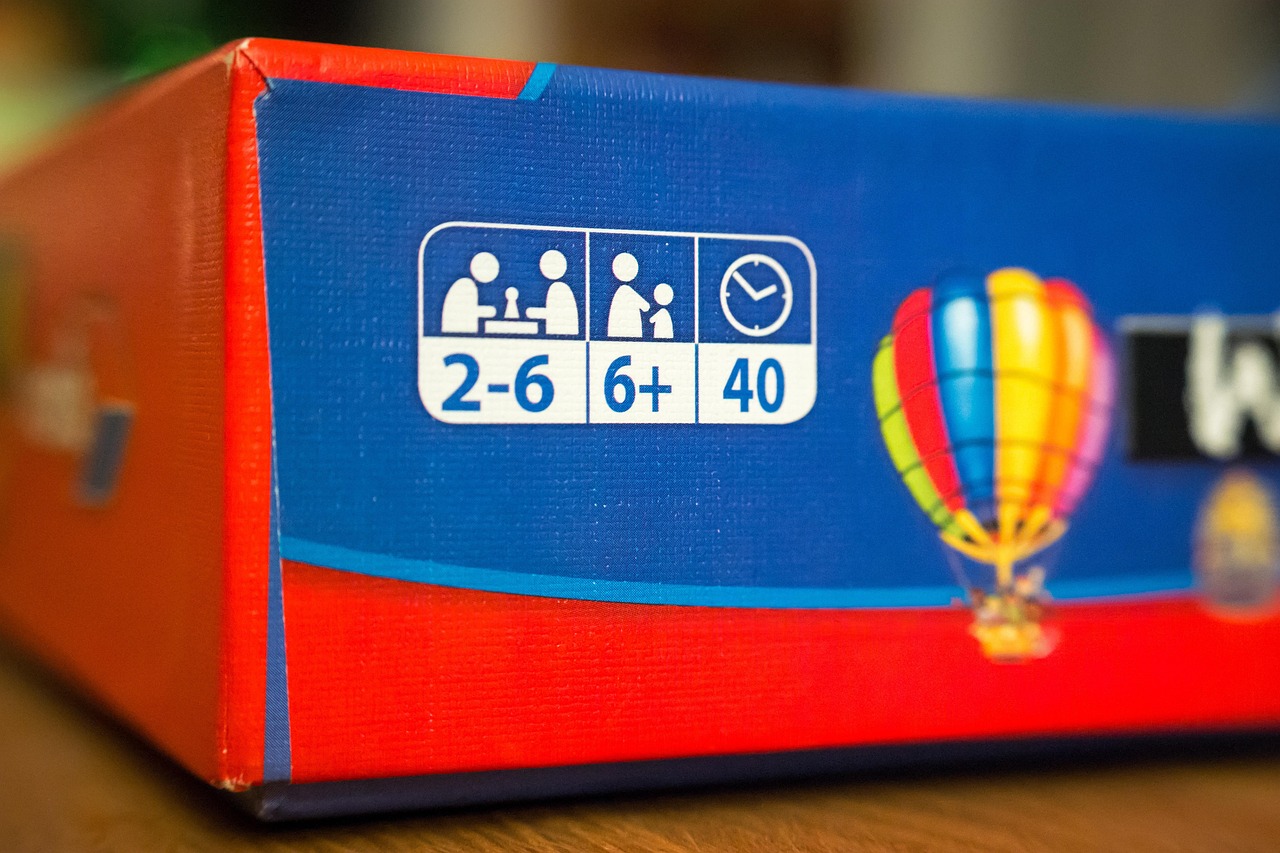
What's Next for Family Cooperative Gaming?
The trend toward cooperative family gaming shows no signs of slowing. The board games market is projected to reach $31.9 billion by 2030, and the family games segment continues to lead (Grand View Research, 2026). As more families prioritize screen-free time and shared experiences, game designers are responding with increasingly sophisticated cooperative formats that blend education and entertainment.
Magnetic tile puzzles sit at the intersection of several growing trends: STEM education, cooperative play, and tactile, screen-free entertainment. Expect to see more products that combine physical building elements with puzzle-solving mechanics, offering families new ways to play together without screens, competition, or tears.
Frequently Asked Questions
What age group are magnetic tile puzzles suitable for?
Most cooperative magnetic tile puzzle sets are designed for ages 8 and up, though the tiles themselves can be enjoyed by younger children in free-play mode. Research shows magnetic tiles support fine motor skills, spatial awareness, and early STEM learning across a wide age range (The Early Childhood Academy, 2024).
How long does a typical game session last?
Most cooperative magnetic tile puzzle sessions are designed to run about 30 minutes. This duration aligns with children's natural attention spans and fits easily into school-night schedules. Families can chain multiple rounds together on weekends for longer game sessions.
What is the difference between cooperative and competitive board games?
Cooperative board games have all players working together toward a shared goal, competing against the game itself. Competitive board games pit players against each other with individual winners and losers. Research indicates preschoolers experience more enjoyment and generosity after cooperative play (Parenting Science, 2023).
Conclusion
Cooperative magnetic tile puzzles are reshaping family game night by replacing competition with collaboration. The format works because it aligns with what research tells us about how children play best: together, without the pressure of winning and losing, in sessions short enough to hold everyone's attention. With the board games market projected to surpass $31 billion by 2030 and family games leading the way, this category is only going to grow.
If your family is ready to trade competitive tension for high-fives and "one more round," the StoreClaw Magnetic Tile Puzzle for Family Game Night is a strong starting point. Choose between the Standard Set and Deluxe Set, gather around the table, and see what your family can build together.
1. Grand View Research — "Playing Cards And Board Games Market Report, 2025-2030", retrieved 2026-09-17, https://www.grandviewresearch.com/industry-analysis/playing-cards-board-games-market
2. Fortune Business Insights — "Board Games Market Size, Share, and Forecast Analysis 2034", retrieved 2026-09-17, https://www.fortunebusinessinsights.com/board-games-market-104972
3. Parenting Science — "Cooperative board games for kids", retrieved 2026-09-17, https://parentingscience.com/cooperative-board-games/
4. The Early Childhood Academy — "25 Benefits of Magnetic Tiles for Young Children", retrieved 2026-09-17, https://theearlychildhoodacademy.com/25-benefits-of-magnetic-tiles-for-young-children/
5. Wikipedia — "Attention span", retrieved 2026-09-17, https://en.wikipedia.org/wiki/Attention_span