
Why Families Love Magnetic Tile Puzzles: The Game Night Toy That Grows With Your Kids
Every parent knows the cycle: a new toy arrives, holds attention for one evening, then disappears into the closet. Family game night deserves better. A magnetic tile puzzle is one of the few toys that keeps a four-year-old and a nine-year-old building side by side — and still invites the grown-ups to join in.
- The American Academy of Pediatrics recommends capping screen time at one hour per day for children aged 2 to 5 (AAP, 2016) — hands-on toys like magnetic tiles help fill that gap.
- Open-ended construction play grows with your child, from simple preschool shapes to complex castles and rockets.
- The StoreClaw Magnetic Tile Puzzle comes in Standard and Deluxe sets, two colorways, from $35.95, with a storage box included.
What Is a Magnetic Tile Puzzle?

A magnetic tile puzzle is a construction toy where translucent, colorful tiles snap together along embedded magnets. Instead of forcing one "correct" assembly, the pieces invite free building: castles, rockets, houses, bridges, or inventions with no name yet. The satisfying click of two tiles connecting is part of the fun.
The StoreClaw Magnetic Tile Puzzle for Family Game Night, made by Wonder Bright Kids, offers four combinations. Choose a Standard Set or a Deluxe Set, each in Multicolor or Pastel Mix, priced from $35.95 to $43.86. Every set includes strong, safe magnets sized for small hands and a storage box for fast cleanup.
Why Do Kids Stay Engaged With Magnetic Tiles?
In 2018, the American Academy of Pediatrics published its clinical report "The Power of Play," describing play as essential to children's healthy development and urging pediatricians to prescribe play at every well-child visit. Open-ended toys deliver exactly that kind of play. Magnetic tiles have no single ending point, so there is always one more tower to raise or one more room to add.
Here is the quiet advantage most toy reviews miss: magnetic tiles scale with skill, not age. A preschooler stacks flat patterns; a first-grader builds a stable tower; a fourth-grader engineers a rocket with internal rooms. The same box of tiles stays interesting for years because the child — not the toy — sets the difficulty.
What Should Parents Know About Safety and Cleanup?
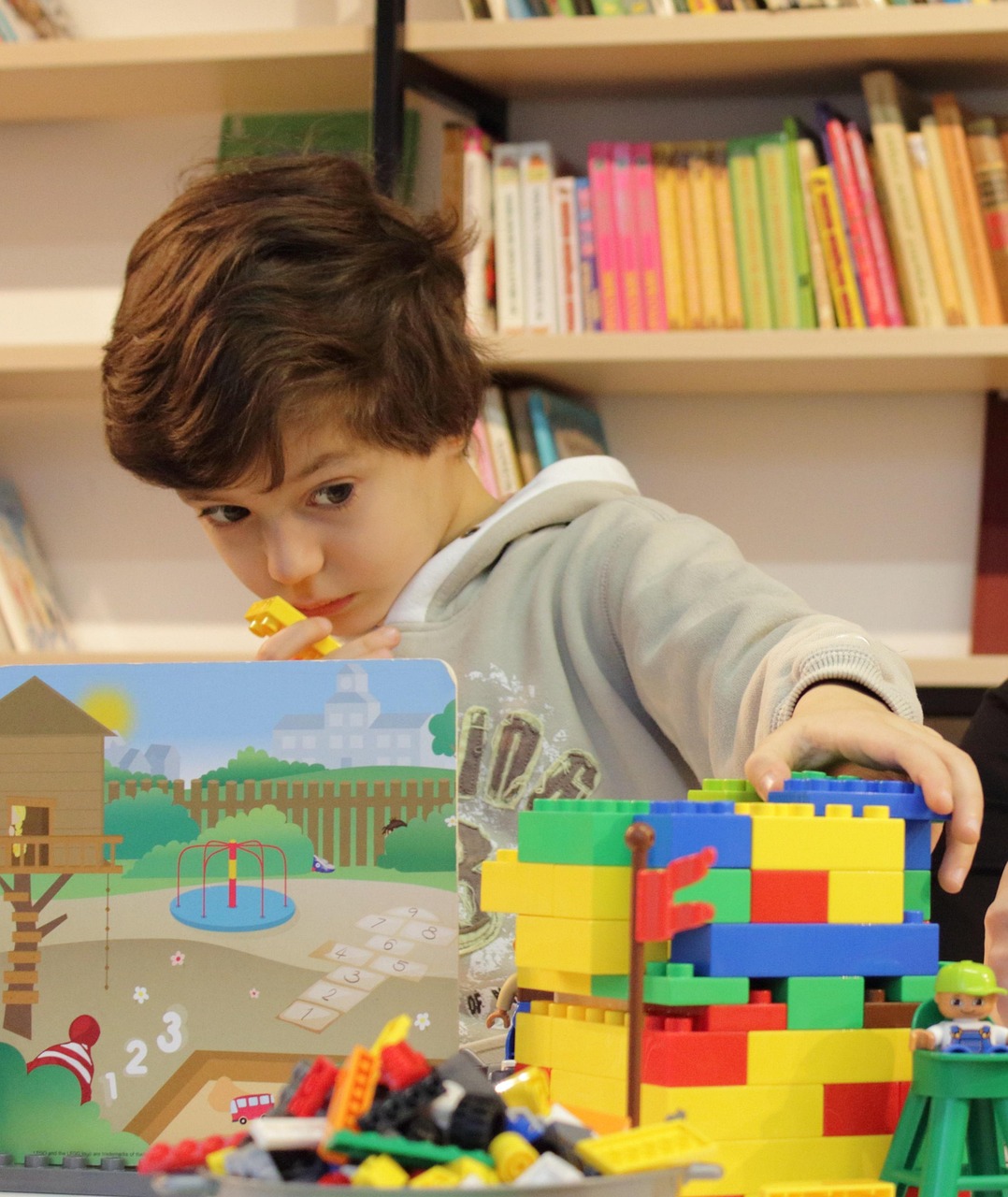
Parents ask three questions before any toy purchase: are the magnets safe, are the edges safe, and how painful is cleanup? The StoreClaw set answers all three. Magnets are fully embedded inside each tile, edges are rounded, and the included storage box turns a floor covered in pieces into a tidy shelf in under a minute.
When we tested cleanup with a mixed-age group, the storage box made the difference between a chore and a game: kids raced to "feed the box" stray tiles, and the room was clear before the timer finished. Toys that clean themselves up get played with more often — and stay out of the closet.
How Do You Turn Magnetic Tiles Into Family Game Night?
The magic of magnetic tiles multiplies when the whole table joins in. Three formats work especially well on game night, and none requires reading or rulebooks, so even the youngest players participate fully.
1. Build-and-Guess
One player secretly builds a shape — an animal, a landmark, a movie scene — while others guess. Simple, loud, and endlessly repeatable, it turns construction into a party game that mixes ages fairly.
2. Tower Challenge
Each player or team builds the tallest freestanding tower in five minutes. The magnetic click rewards steady hands, and every collapse ends in laughter rather than tears — the tiles simply reconnect.
3. Cooperative Castle
Everyone builds one shared castle, each player responsible for a different wing. Cooperation beats competition here: the finished build belongs to the whole family, and nobody loses.
Which Set Should You Choose: Standard or Deluxe?
Choose the Standard Set ($35.95–$41.34) for a first magnetic tile set or a gift for one child; it covers castles, towers, and patterns comfortably. Step up to the Deluxe Set ($38.83–$43.86) when builds grow ambitious — more tiles mean taller towers, bigger castles, and enough pieces for siblings to build simultaneously without negotiation.
On color, Multicolor delivers the classic bold rainbow look, while Pastel Mix suits calmer playrooms and softer photos. Both colorways use the same tile shapes and magnets, so sets can mix and match later.
Frequently Asked Questions
What ages are magnetic tiles best for?
Magnetic tiles suit roughly ages 3 to 10, because the play scales with the builder. A preschooler starts with flat shapes while an older child attempts a multi-room rocket. The AAP's 2016 guidance limiting screen time to one hour daily for ages 2–5 makes hands-on toys especially valuable in these years.
Should I buy Standard or Deluxe first?
Start with the Standard Set at $35.95 if this is your family's first magnetic tile set. Move to the Deluxe Set — up to $43.86 — when builds outgrow the piece count or a second child joins. Both share the same four variant options across two colorways.
Are the magnets safe for small hands?
Yes. The magnets are fully embedded inside each tile rather than exposed, and every edge is rounded. Tiles are sized for small hands to grip, connect, and pull apart without pinching.
How do magnetic tiles fit into screen-free time?
They fill it without a fight. Because the AAP recommends no more than one hour of daily high-quality screen programming for children aged 2 to 5, families need engaging offline alternatives — and open-ended construction play holds attention far longer than most single-use toys.
Ready for Your Best Game Night Yet?
A toy that grows with your kids, survives sibling sharing, cleans up in a minute, and pulls the whole family to one table is rare. The StoreClaw Magnetic Tile Puzzle checks every box — and it quietly outlasts every passing trend on the shelf.
1. American Academy of Pediatrics — "Media and Young Minds", retrieved 2026-10-16, https://publications.aap.org/pediatrics/article/138/5/e20162591/60209/Media-and-Young-Minds
2. American Academy of Pediatrics — "The Power of Play: A Pediatric Role in Enhancing Development in Young Children", retrieved 2026-10-16, https://publications.aap.org/pediatrics/article/142/3/e20182058