
Why Families Love Game Night Again: The Magnetic Tile Puzzle Everyone Wins Together
The end of family game night rarely looks like the commercials. One child is in tears because they were eliminated on turn three. A sibling has wandered back to a tablet. Parents quietly hope the clock runs out. If that is what your game shelf produces, the problem is usually the game design itself, not the people at the table.
This article looks at how the StoreClaw Magnetic Tile Puzzle for Family Game Night fixes those failure points. It covers what makes cooperative play different, what the magnetic tiles actually add, how a typical 30-minute round unfolds, and which set to choose for your family.
Key Takeaways
- Cooperative games remove elimination, the design flaw behind most game-night meltdowns; cooperative titles now hold 12% of board game sales (Fortune Business Insights, 2024).
- Rounds run about 30 minutes, short enough for a school night.
- Ages 8 and up: kids learn fast, adults stay genuinely engaged.
- Standard and Deluxe sets, two colorways, from $35.95.
Why Do Traditional Board Games Fail at Family Game Night?
Elimination is the culprit. In 2024, according to Fortune Business Insights' Board Games Market Report, cooperative games rose sharply, with category sales climbing 20 million units year over year. The reason is simple: formats where everyone wins or loses together keep the whole table playing. The StoreClaw Magnetic Tile Puzzle is built entirely on that principle, with no eliminations and no hurt feelings by design.
Three structural problems appear again and again in classic family games:
- Elimination. Once a player is out, they are just an audience, usually a bored or upset one.
- Length. Games that run past an hour collide with bedtimes, homework, and adult patience.
- Age gaps. A game simple enough for an 8-year-old often bores a 13-year-old, and vice versa.
The Magnetic Tile Puzzle answers each one. Everyone plays until the final tile. A round ends in about 30 minutes. And the challenge scales with the player, so a child can play a straightforward role while a parent plans two moves ahead.
What Makes Magnetic Tiles Different From Ordinary Game Pieces?
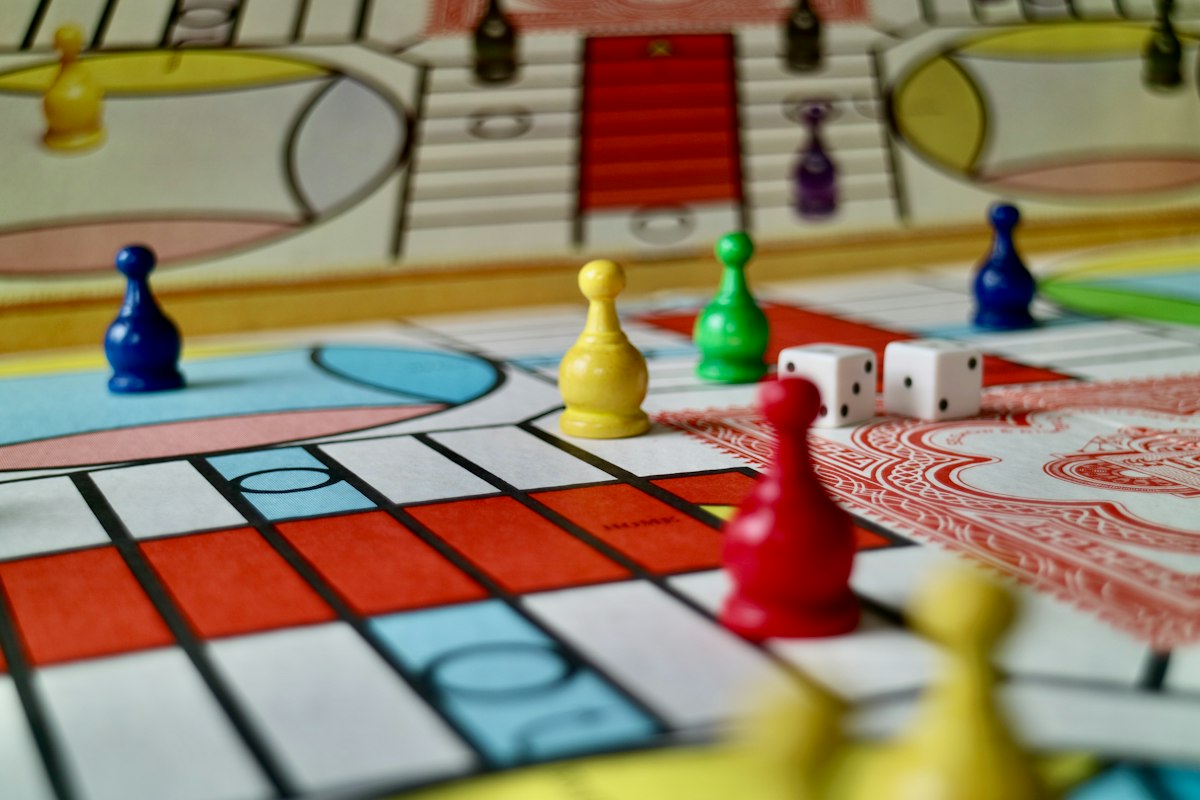
Tactile play is the difference. In 2025, Grand View Research reported in Playing Cards and Board Games Market Analysis that the growing preference for screen-free, hands-on family entertainment remains a top market driver. Magnetic tiles deliver exactly that: every piece snaps into place with a satisfying click that fidgety hands keep reaching for. The StoreClaw puzzle pairs that pull with strategy, so hands stay busy while minds stay engaged.
Our take after watching families play it: the magnets do quiet double duty. Kids who cannot sit still through a card game stay at the table because placing a tile feels like building, not waiting.
Each set comes in two sizes and two colorways:
- Standard Set or Deluxe Set, priced from $35.95 to $43.86.
- Multicolor or Pastel Mix, so it can match the room it lives in.
The result is a rare hybrid: part building toy, part strategy game. Younger players experience it as construction play, while older players read the board and plan. Nobody has to be carried.
What Does a 30-Minute Round Actually Look Like?
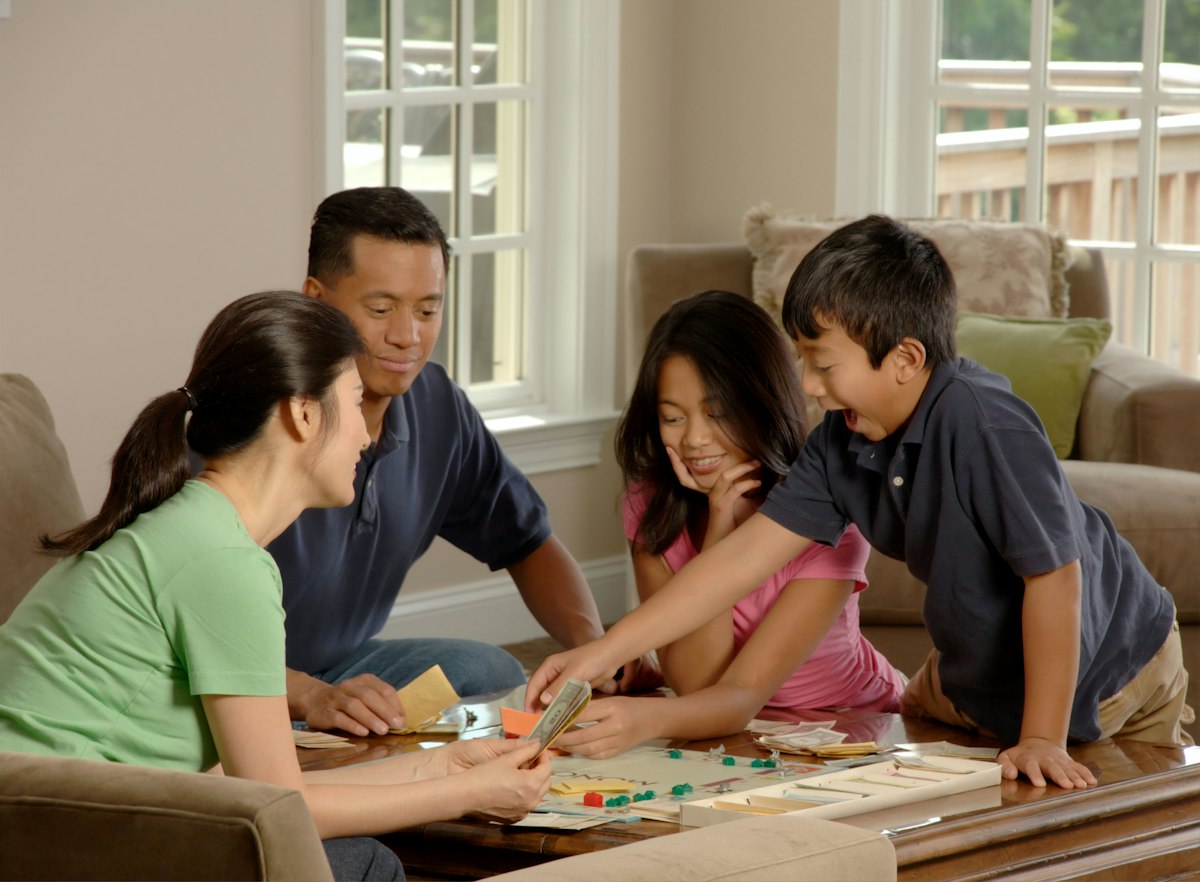
A full round fits inside a school night. In 2021, Common Sense Media's Common Sense Census: Media Use by Tweens and Teens found that 8- to 12-year-olds average five and a half hours of screen media per day. A 30-minute shared activity is a realistic, meaningful counterweight to that, and the game is paced to deliver a complete arc inside it. Here is how the arc typically breaks down:
Opening (minutes 1 to 5)
Players survey the tile field and agree on the shared goal. Because it is cooperative, the first conversation is a family negotiation, not a power grab. Kids who usually lose interest during rule explanations stay engaged because the rules take one minute.
Middle game (minutes 6 to 22)
This is the longest phase and the quiet part of the magic. Each player places tiles that either extend shared structures or solve their piece of the pattern. One child might focus on color-matching, a parent on positioning. Everyone contributes without anyone dominating.
Finish (minutes 23 to 30)
The table converges on the endgame together. The game ends with the whole table winning or losing as one team. There are high-fives, not sore losers.
That ending matters more than it sounds. When the outcome belongs to everyone, losing becomes a puzzle to retry rather than a defeat to sulk about. Families tend to replay immediately, which is the surest sign a game has earned shelf space.
How Do Different Ages All Stay Engaged?
Layered challenge is the answer. In 2025, Fortune Business Insights found in Board Games Market Report that family games led all market segments, driven by suitability for group entertainment across wide age ranges. The puzzle is engineered for exactly that spread: it is easy for kids to learn, genuinely strategic for adults, and rated for ages 8 and up.
- Ages 8 to 11 own the tactile work: placing, snapping, and color-matching tiles, which feels like building rather than competing.
- Teens start reading the board two moves out, spotting placements adults miss, which earns them real status at the table.
- Adults get legitimate strategy: sequencing, spatial planning, and route decisions that are light enough to relax with but real enough to care about.
Choosing a set follows the same logic. Start with the Standard Set if your youngest player is 8 or 9. Move up to the Deluxe Set when the whole table plays confidently and wants a longer, denser puzzle. The Multicolor set reads as playful and high-energy; the Pastel Mix suits calmer rooms and quieter evenings.
Frequently Asked Questions
What ages is the StoreClaw Magnetic Tile Puzzle for?
It is rated for ages 8 and up. Younger children can join with help placing pieces, but the strategy layer is calibrated for 8-year-olds through adults. The cooperative format means an adult can pair with a younger child on one seat.
How long does one round take?
Most rounds run about 30 minutes. That length fits between homework and bedtime on a school night, and it is long enough to feel like a complete game rather than a quick filler.
How is this different from regular magnetic tile building toys?
Building toys are freeform; this adds game structure. There is a shared objective, turn sequencing, and a win-or-lose-together outcome. The tiles feel like a building toy in the hand, but the table behaves like a strategy game.
Standard or Deluxe Set: which should I buy?
Buy the Standard Set (from $35.95) for younger families or first-time buyers. Choose the Deluxe Set (up to $43.86) if your group plays together weekly or wants a denser puzzle. Both come in Multicolor or Pastel Mix.
Conclusion: Give Game Night One More Try
Three reasons this game earns its place on the shelf: nobody gets eliminated, rounds fit a school night, and every age at the table gets something real out of it. If family game night has quietly died at your house, the game itself was probably the reason.
The cooperative reset is worth one more try.
Ready to bring game night back? The StoreClaw Magnetic Tile Puzzle for Family Game Night is available in Standard and Deluxe sets, two colorways, from $35.95.
Shop the Magnetic Tile PuzzleShips from the MyStoreClaw family shop.
1. Fortune Business Insights - "Board Games Market Report", retrieved 2026-09-20, https://www.fortunebusinessinsights.com/board-games-market-104972
2. Grand View Research - "Playing Cards and Board Games Market Analysis", retrieved 2026-09-20, https://www.grandviewresearch.com/industry-analysis/playing-cards-board-games-market
3. Common Sense Media - "The Common Sense Census: Media Use by Tweens and Teens, 2021", retrieved 2026-09-20, https://www.commonsensemedia.org/research/the-common-sense-census-media-use-by-tweens-and-teens-2021